Short answer: chechén prieto or black poisonwood (Metopium brownei) can cause serious contact dermatitis. Chaká or gumbo-limbo (Bursera simaruba) is paired with it in a well-known local legend, but evidence does not establish it as a reliable medical antidote. Avoid touching unidentified plants and seek medical advice after a significant reaction.
Reviewed: July 24, 2026. This visitor guide is not a diagnosis or treatment plan.
The two trees
CONABIO EncicloVida documents Metopium brownei. Regional biodiversity records also list Bursera simaruba; see the CONABIO regional study.
Visual clues vary with age, season and light. Do not use an online photograph as permission to touch bark, leaves or sap.
Legend and evidence are different
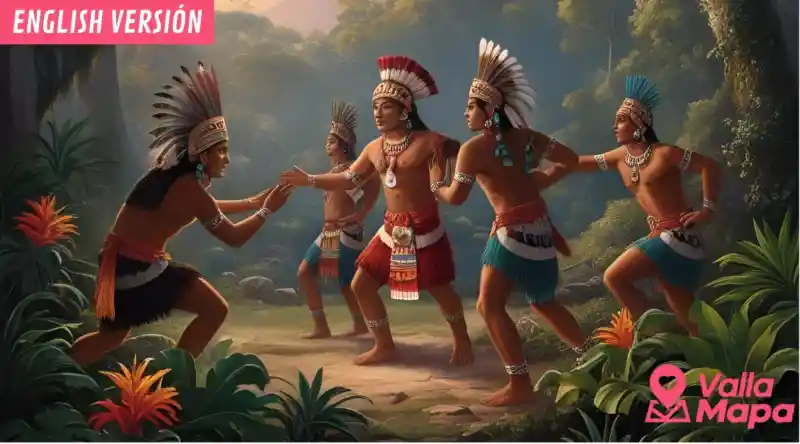
Oral versions often present chechén and chaká as contrasting brothers or neighboring trees. Treat that as living cultural tradition, not botanical proof that one plant neutralizes the other.
Clinical literature records dermatitis after chechén exposure. The safe response is to avoid further contact, wash exposed skin and clothing, and obtain qualified medical advice when symptoms are substantial. Do not apply bark, sap or leaves as a home treatment.
Visitor checklist
- Stay on marked paths and follow a local guide.
- Do not touch or cut an unidentified tree.
- Keep children away from sap and fallen branches.
- Confirm medical guidance with a professional, especially for facial swelling, breathing problems or extensive reactions.
For more nature planning, use the VallaMapa map and downloadable guide. Property buyers can also start with the Casas en Valladolid English guide.
Frequently asked questions
Does chaká cure chechén exposure?
Evidence does not establish it as a reliable cure. Seek qualified medical advice.
Can I identify chechén by bark color?
Not safely from one trait. Use a trained local guide and avoid contact.
Is the legend “wrong”?
No. It is cultural knowledge with different versions; it should not be confused with clinical treatment.
What should I do after contact?
Avoid spreading residue, wash exposed items and contact a medical professional. Treat breathing difficulty as urgent.
Are these trees found near Valladolid?
They occur in the Yucatán region, but a specific site or specimen should be confirmed by a knowledgeable guide.