Short answer: Valladolid has changed from a quieter regional town into a stronger cultural and tourism hub, but its value is still local life: markets, parks, neighborhoods, food, family businesses, cenotes and daily routines that cannot be copied by a generic destination guide.
Last reviewed: July 20, 2026. This is a local perspective article, not an official economic report. Use it to understand the direction of change, then verify specific prices, services and development claims separately.
Explore the VallaMapa guide · Compare Valladolid neighborhoods · Cost of living in Valladolid
What felt different before
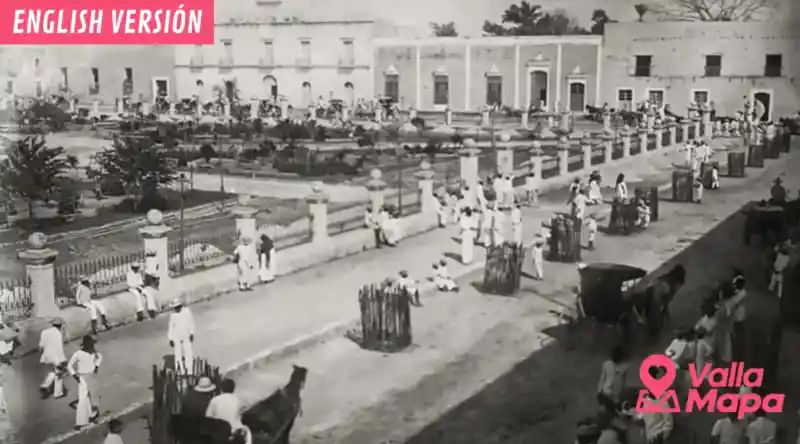
Not long ago, many visitors passed near Valladolid only because of Chichén Itzá. Those who stopped found a slower place: a main park that carried much of the social life, traditional food, quieter streets and a business scene led mostly by families and local owners.
That calmer Valladolid still exists in pieces, especially in neighborhoods outside the most photographed blocks.
What has changed
Valladolid now receives more travelers, more restaurants, more boutique hotels, more digital attention and more people considering the city as a place to live. Cafes, galleries, renovated houses, small hotels and food projects have made the center more visible.
Infrastructure and services have also changed unevenly. Some areas have better lighting, roads, internet and commercial activity; other streets still feel very local and practical rather than polished for tourism.
What has not changed
The strongest parts of Valladolid are still human scale: walking to buy fruit, hearing families in the park, finding a quiet side street, greeting someone you know, eating something simple and fresh, and noticing how fast the city returns to a slower rhythm after a busy weekend.
That is why visitors who only see Valladolid as an Instagram stop miss half the point.
The challenge: growth without losing the local center
Growth brings jobs, new restaurants and better options, but it also brings pressure: traffic, rents, renovation costs, noise, water use, heritage questions and the risk of making the city feel less accessible to local families.
The better path is not to freeze Valladolid in the past. It is to let the city improve without turning every street into a copy of somewhere else.
If you are thinking of moving here
Spend time beyond the center. Compare Sisal, San Juan, Santa Lucía, Candelaria, Campestre and surrounding villages. Check internet street by street. Ask about CFE bills, water, drainage, shade, noise and daily transportation.
VallaMapa helps you understand the city. For housing decisions, use Casas en Valladolid and verify licensed real estate credentials before signing.
FAQ
Has Valladolid changed a lot?
Yes, especially in tourism, restaurants, lodging, visibility and real estate interest. The change is uneven by neighborhood.
Is Valladolid still local?
Yes. The most tourist-facing streets have changed most, but daily local life remains strong in markets, barrios, schools, churches, parks and family businesses.
Is growth good or bad?
Both can be true. Growth can bring opportunity, but it also needs careful attention to local families, services, heritage and affordability.
What should future residents check?
Neighborhood rhythm, internet, CFE, water, drainage, noise, shade, transportation and whether the location works outside vacation mode.