Quick answer
These Valladolid stories are best read as folklore and oral tradition, not as verified history. They are useful because they show how locals and visitors imagine the city: old casonas, cenotes, convents, night streets, and Mayan stories all mixed together.
1. The Lady of the Casona de los Frailes
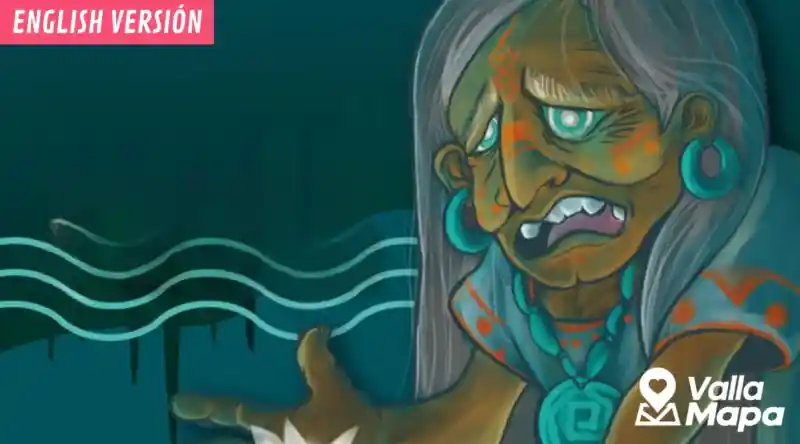
It is said that in one of the old houses near the Ex Convento de San Bernardino de Siena, a woman dressed in white appears at night. In the story, she belonged to a wealthy family and was forced into a marriage she did not want. Her sadness became part of the house, and people say her presence can still be felt in the early morning.
2. The Enchanted Cenote of Zací
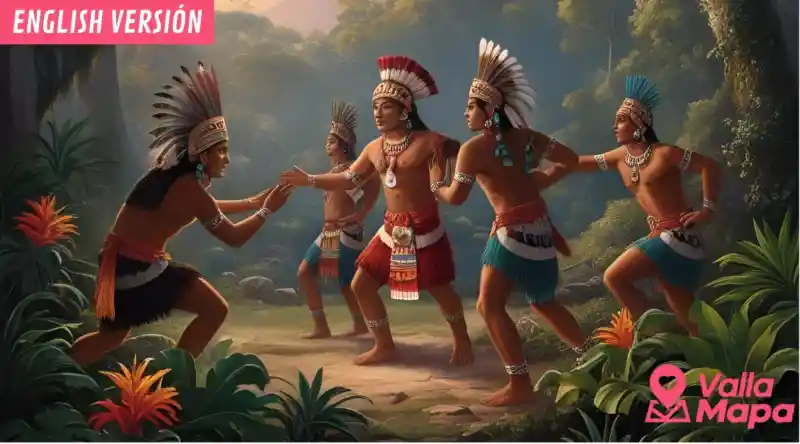
Cenote Zací is one of Valladolid’s best-known places, so naturally it has stories. One version tells of Sac-Nicté, a young Maya woman who fell in love across an enemy line. Rather than be separated, the lovers entered the cenote together. Some visitors still describe shadows, whispers, or strange feelings near the water at dusk.
3. The Wandering Monk of San Bernardino
The old convent of San Bernardino de Siena is tied to many local imaginations. One story says a monk broke his vows, was punished, and never found peace. His silhouette is said to wander through the convent grounds on certain nights.
4. The Curse of the House of the Deer
Casa de los Venados is now a respected folk-art museum, but local-style storytelling sometimes gives old houses darker backstories. In this version, a former owner made promises to forces he could not control, and the house kept the memory of those broken promises.
5. The Aluxes Around Valladolid
Aluxes are small beings from Maya tradition, often described as protectors or tricksters connected to the land. Around rural paths, milpas, cenotes, and old stone walls, people still tell stories about travelers who lose their way after entering a place without permission.
How to enjoy these stories responsibly
Treat these tales as part of Valladolid’s atmosphere. They are not a substitute for history, archaeology, or community knowledge, but they can make a night walk, museum visit, or cenote stop feel more connected to local imagination.
FAQ
Are these Valladolid legends historically verified?
No. They are folklore-style stories and should be read as oral tradition rather than documented history.
Where can I experience the atmosphere behind these stories?
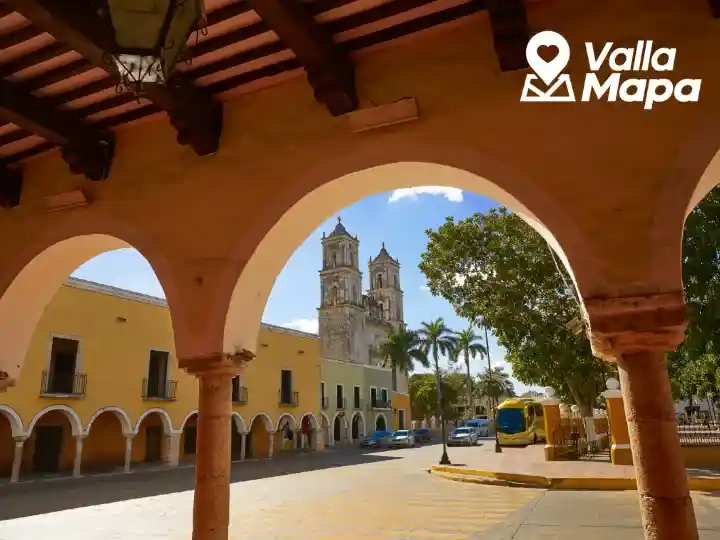
Start with Calzada de los Frailes, San Bernardino, Cenote Zací, the central streets, and old colonial houses that are open to the public.
Are alux stories still common in Yucatán?
Yes. Many people in the region know alux stories, especially in relation to land, rural paths, milpas, cenotes, and old stone areas.
Is this guide suitable for children?
Yes, if you present the stories as gentle folklore rather than frightening fact.