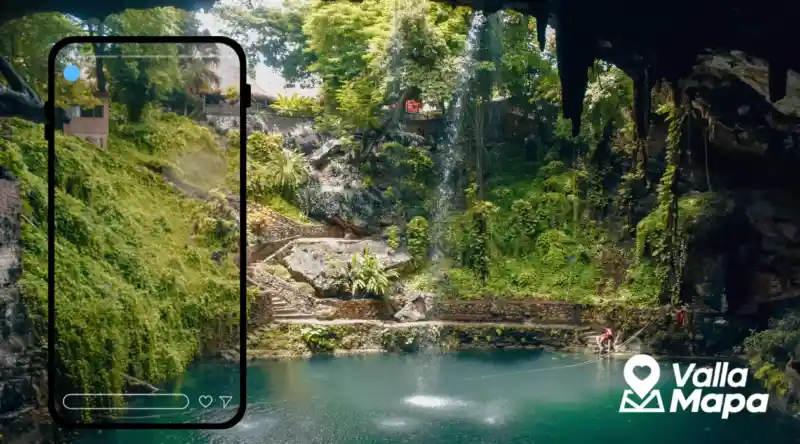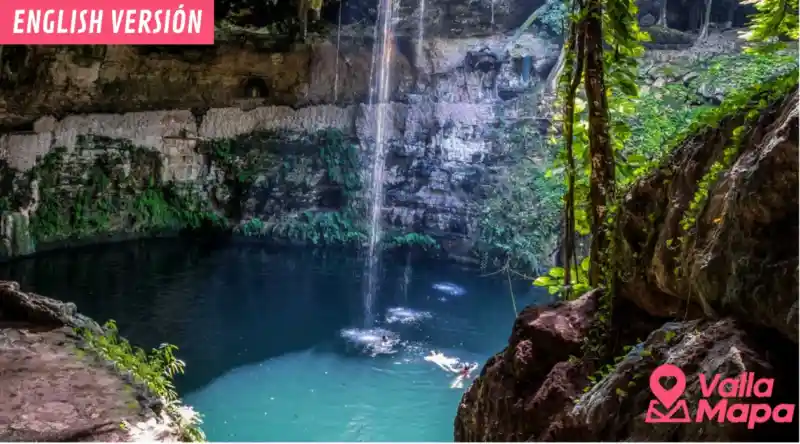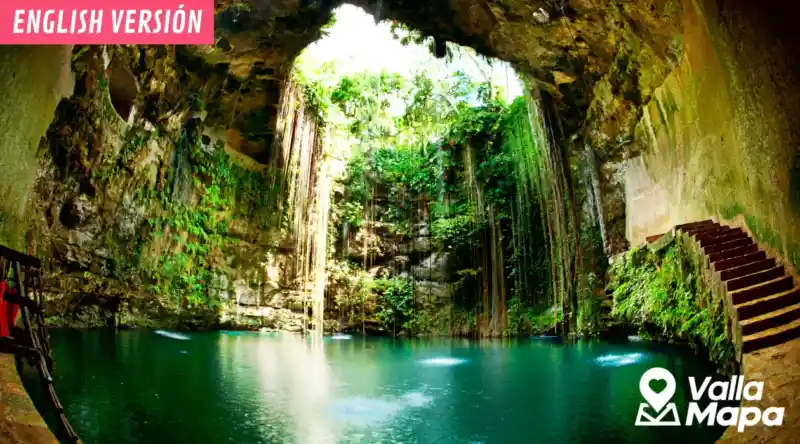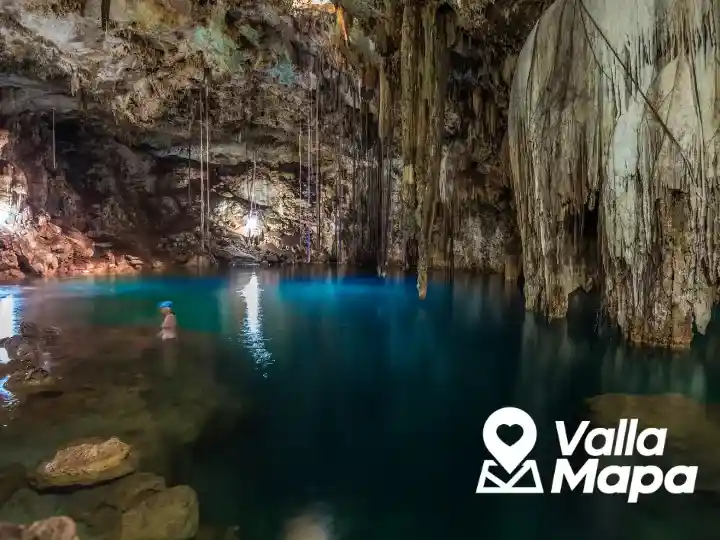
Short answer: cenotes are freshwater windows into Yucatán’s karst aquifer, but they are also places with archaeological, historical and continuing cultural meaning. “Entrance to the underworld” is useful context only when it does not reduce all Maya beliefs or every cenote to one slogan.
Reviewed: July 24, 2026. Site rules, water conditions and access can change.
What official research says
The National Institute of Anthropology and History explains that caves and cenotes are widely associated with the underworld and the journey of souls in Maya worldview. Archaeological evidence also shows mortuary uses extending from prehistory into later Maya periods.
That does not mean every cenote served the same purpose. Archaeology, oral tradition and present-day community practice vary by place and time.
Water, geology and daily life
Cenotes form where limestone dissolves and exposes groundwater. They are connected to a larger underground system, so sunscreen, rubbish and careless swimming can affect more than one pool.
Follow each site’s rules:
- shower before entering when requested;
- wear the provided life jacket;
- avoid creams or chemicals prohibited by the operator;
- never touch archaeological material;
- do not enter closed passages;
- keep noise and photography respectful.
Choosing a cenote near Valladolid
Compare access, stairs, depth, lighting, facilities and transport rather than choosing only from a photograph. An open cenote can feel different from a semi-open cave. A beautiful site may still be unsuitable for a weak swimmer or limited mobility.
Use the VallaMapa cenote guide to compare routes, then confirm the operator’s current rules and last entry time.
Frequently asked questions
Did the Maya believe all cenotes led to Xibalba?
Official research describes a broad association between caves, cenotes and the underworld, but meanings and uses differed.
Are cenotes archaeological sites?
Some contain archaeological or human remains. Never move objects and obey all closures.
Can I swim in every cenote?
No. Access and swimming depend on conservation, ownership, weather and safety conditions.
Is biodegradable sunscreen always allowed?
Not necessarily. Follow the rule posted by the site; some require showering and no products.
What should I bring?
Water, secure footwear, a dry bag and cash if the operator requires it. Use the provided safety equipment.
How can I visit respectfully?
Treat the cenote as water source, ecosystem and cultural place—not only a photo backdrop.